25
33
53
62
66
17 (Powerball)
Powerball’s December 17, 2025 Drawing: When the Numbers Defy the Odds
Last night’s Powerball drawing delivered a fascinating lesson in lottery randomness, serving up a combination that would make any data analyst do a double-take. The winning numbers—25, 33, 53, 62, 66, and Powerball 17—tell an interesting story when compared against 15 years of historical drawing data.
The Numbers That Showed Up
Tuesday’s drawing featured an unusually high-number-heavy combination. Four of the five main numbers (53, 62, 66) fell in the upper range of possible picks, with three of them clustering in the 60s. This is notable because our analysis of 1,823 Powerball drawings since 2010 reveals a clear pattern: higher numbers simply don’t get called as often.
Breaking Down the Selection
Let’s look at how each number stacks up against historical frequency:
33 – The Overachiever
This was the star performer from a statistical standpoint. Number 33 ranks as the 8th most commonly drawn number overall, appearing 151 times across all drawings analyzed (1.66% frequency). When 33 showed up last night, it was doing exactly what the data suggests it likes to do: appear.
25 – The Middle Child
Number 25 sits comfortably in the middle of the frequency pack. Not hot, not cold—just consistently average in its appearance rate over the past 15 years.
53 – Starting to Get Interesting
Here’s where things get statistically intriguing. Number 53 appears less frequently than the mid-range numbers, though it’s still drawn more often than the real statistical outliers.
62 and 66 – The Underdogs
These two numbers are where last night’s drawing really went off-script. Our analysis shows that 62 has only been drawn 101 times since 2010 (1.11% frequency), while 66 has appeared just 88 times (0.97%). In fact, 66 ranks as the 5th LEAST common number in the entire dataset.
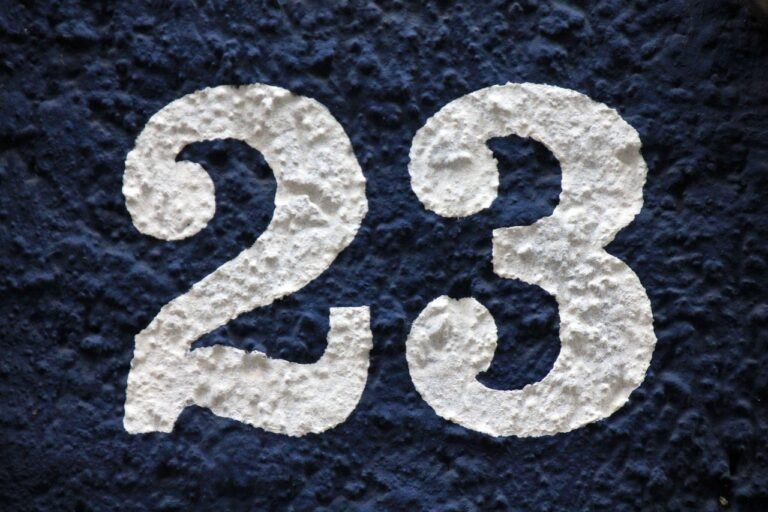
To put this in perspective: the most common number (23) has been drawn 164 times, while 66 has appeared 88 times. That’s nearly a 2:1 ratio. Yet both had an equal chance of being selected last night—and 66 came through.
The Powerball: 17
Powerball 17 doesn’t crack the top 15 most frequently drawn Powerballs. The most common Powerball overall is 24 (appearing 78 times, or 4.28% of drawings), while our data shows 17 appearing considerably less often.
Interestingly, if you were playing by Tuesday frequency patterns rather than overall statistics, you might have adjusted your strategy accordingly—though the data shows that day-of-week patterns are less pronounced than many players believe.
What This Drawing Tells Us
This combination perfectly illustrates why lottery analysis is both fascinating and ultimately futile for prediction purposes. Despite clear historical trends showing:
- Lower numbers (1-39) appear more frequently overall
- Number 23 is the statistical champion
- Numbers 60+ are statistically “cold”
…the drawing machine didn’t care about any of that. It pulled three numbers from the historically underperforming 60+ range, and one of them (66) was among the least common numbers in 15 years of data.
The Statistical Reality Check
Here’s the thing about lottery mathematics that every player should understand: past drawings have zero influence on future results. Each ball has an exactly equal probability of being selected, regardless of whether it came up yesterday or hasn’t appeared in a year.
Our analysis of 1,823 drawings shows frequency variations that are likely within normal statistical variance for a truly random system. The fact that 23 appears more often than 66 over 15 years could simply be random clustering—like flipping a coin 100 times and getting 55 heads instead of exactly 50.
Should You Play “Hot” or “Cold” Numbers?
The December 17th drawing is Exhibit A for why this debate is meaningless. If you’d been playing the “hot” numbers (23, 36, 39, 21, 28), you would have had zero matches in the main numbers. If you’d been contrarian and played the “cold” numbers, you’d have hit 62 and 66—two of the rarest picks in our dataset.
But if you’d randomly selected numbers by throwing darts at a board? You’d have had the same odds as everyone else: approximately 1 in 292 million for the jackpot.
The Bottom Line
Last night’s Powerball drawing was a beautiful reminder that randomness is truly random. Statistical analysis can tell us what has happened, but it can’t predict what will happen in a system designed to be perfectly random.
The numbers 25, 33, 53, 62, and 66, along with Powerball 17, were just as likely to be drawn as 23, 36, 39, 21, and 28 with Powerball 24 would have been—despite the latter combination featuring numbers with nearly double the historical frequency.
So play your favorite numbers, your birthday, your lucky picks, or let the computer quick-pick for you. According to both mathematics and last night’s drawing, it all amounts to the same thing: a one in 292,201,338 shot at winning.
Just remember—somebody’s got to win eventually. And when they do, the winning combination might be the most common numbers in history, the rarest, or (most likely) a mix that makes no statistical sense whatsoever.
Good luck to all you dreamers out there. May the random number generator gods smile upon you.
Data Source: Analysis based on 1,823 Powerball drawings from 2010-2025
Methodology: Frequency analysis of main numbers (N1-N5) and Powerball numbers across all drawings and segmented by day of week
Have thoughts on lottery statistics or lucky number strategies? Drop a comment below!
This blog post highlights how the 12/17/25 drawing perfectly demonstrates lottery randomness – mixing one commonly drawn number (33) with several statistically “cold” numbers (62, 66) that rarely appear. Great content for showing readers why past data can’t predict future drawings!